Fort Lauderdale Concrete Solutions

Menu
Fort Lauderdale: Pouring Concrete Patio Slabs Near Waterways
Concrete Patio Fort Lauderdale
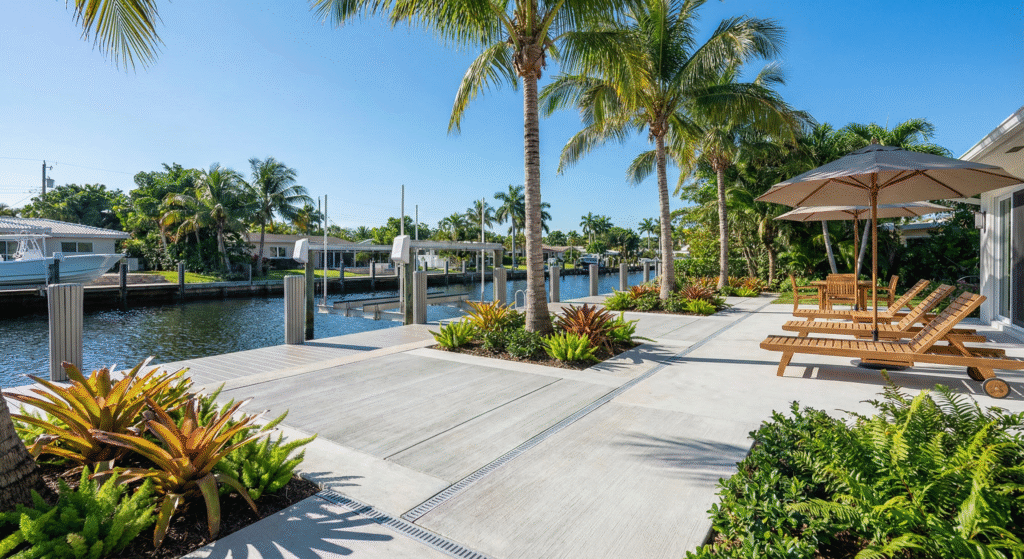
Fort Lauderdale’s waterways and low-lying areas make for great outdoor living spaces, but they also present unique challenges for a concrete patio. Poor planning can lead to drainage issues, structural problems, and even legal headaches. Whether your property is near the Intracoastal Waterway or a peaceful canal, understanding the key considerations before pouring a patio slab is crucial. By addressing these upfront, you can have a durable, functional, and compliant outdoor space that adds value and enjoyment to your home.
Site Assessment for Concrete Patios
Soil Composition and Stability
Soil in Fort Lauderdale’s low-lying areas is often sandy or clay-heavy and can shift or settle over time. Before you pour a concrete patio, it’s important to do a soil assessment to determine its load-bearing capacity. A geotechnical report can identify potential issues, like soft spots or high water tables, that may require additional prep work, such as soil compaction or a gravel base.
Water Table and Flood Risks
Properties near waterways are more susceptible to high water tables and flooding, especially during hurricane season. A concrete patio installed without considering these risks can become unstable or even float due to hydrostatic pressure. Check local flood maps, and work with a contractor who knows Fort Lauderdale’s drainage requirements to mitigate these risks and keep your patio secure.
Drainage Solutions for Low-Lying Concrete Patios
Proper Sloping and Grading
One of the most important aspects of installing a concrete patio in a low-lying area is proper drainage. The patio should be graded to slope away from your home and any adjacent structures, directing water to a drainage system or natural runoff area. A minimum slope of 1/4 inch per foot is recommended to prevent water from pooling on the surface.
French Drains or Permeable Pavers
In areas with poor natural drainage, French drains or permeable pavers can be a solution. French drains are trenches filled with gravel and a perforated pipe that redirects water away from the patio. Permeable pavers allow water to seep through the surface and into the ground, reducing runoff and erosion. Both can extend the life of your concrete patio and protect your property from water damage.
Concrete Mix for Coastal Conditions
High-Strength and Water-Resistant Mixes
Standard concrete mixes won’t withstand the moisture and salt exposure in Fort Lauderdale’s coastal environment. High-strength concrete mixes, with additives like fly ash or silica fume, offer more durability and less cracking. These mixes are designed to minimize porosity, reducing water absorption and salt damage over time.
Fiber-Reinforced Concrete
Fiber-reinforced concrete is another great option for patios in low-lying or waterway-adjacent areas. The fibers, usually made of synthetic materials or steel, increase the concrete’s tensile strength and resistance to cracking. This type of concrete is useful in areas where soil movement or settling is a concern, as it can accommodate minor shifts without compromising structural integrity.
Compliance with Local Building Codes and Permits
Fort Lauderdale’s Regulations
Before you pour a concrete patio, it’s important to familiarize yourself with Fort Lauderdale’s building codes and permit requirements. These codes often address drainage, setbacks from waterways, and specific materials to ensure safety and environmental protection. Work with a licensed contractor who knows the local codes to streamline the permitting process and avoid costly mistakes.
Get the Necessary Permits
Depending on the size and location of your patio, you may need to get permits from the city or county. This process involves submitting detailed plans that show the patio’s dimensions, materials, and drainage solutions. A professional contractor can help with the plans and ensure your project meets all the requirements before construction begins.
Before You Install: Best Practices
Clear and Level the Site
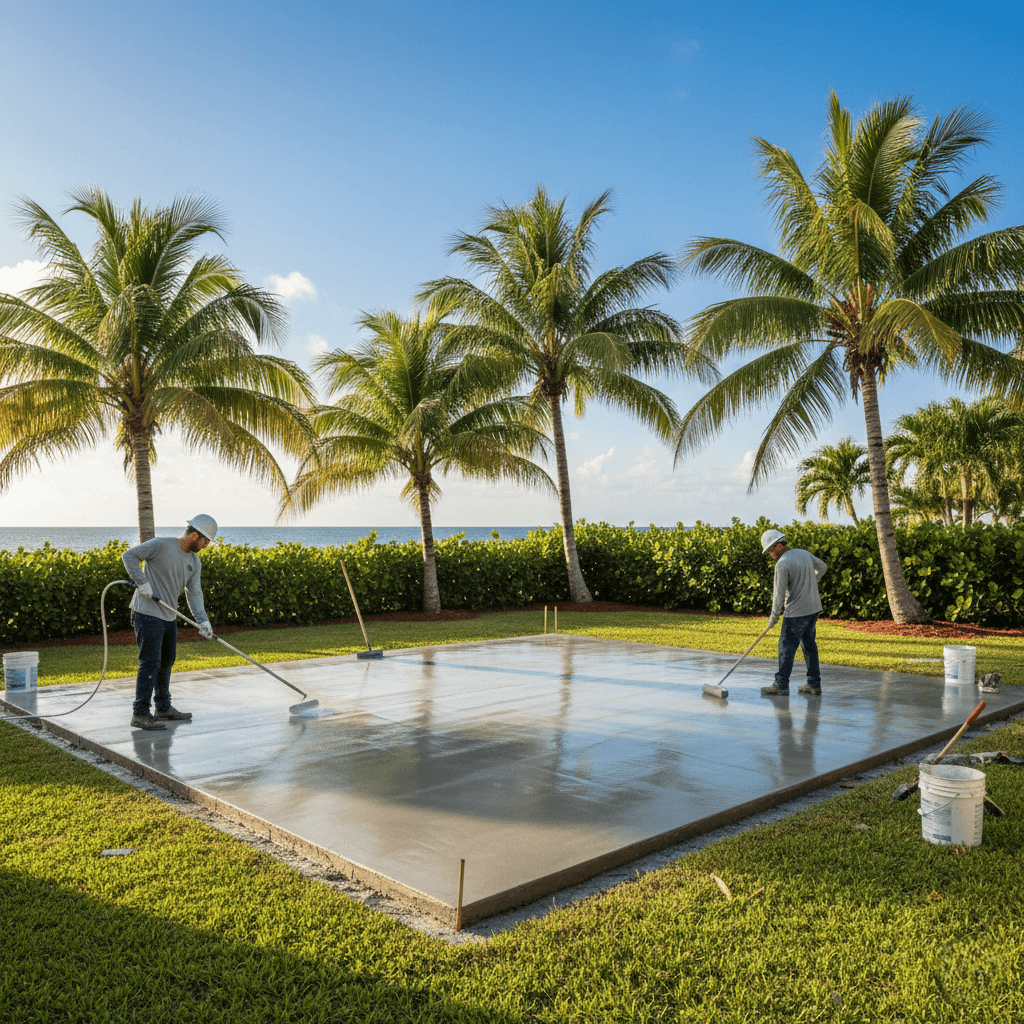
Proper site preparation is the foundation of a successful concrete patio installation. This includes clearing the area of vegetation, debris, and any existing structures, and leveling the ground to create a stable base. In low-lying areas, additional steps, like excavating to create a deeper base or installing a retaining wall, may be necessary to prevent future settling or erosion.
Gravel Base for Stability
A gravel base is often recommended for concrete patios in Fort Lauderdale, especially in areas with soft or unstable soil. The gravel provides a stable foundation that improves drainage and reduces cracking due to soil movement. A 4-6 inch layer of compacted gravel is usually sufficient to support the weight of the concrete slab and any furniture or foot traffic.
Caring for Your Concrete Patio in a Coastal Environment
Clean and Seal Regularly
Caring for your concrete patio is key to its longevity and appearance. Clean with a mild detergent and water to remove dirt, salt, and other debris that may accumulate over time. Apply a high-quality sealant every 1-2 years to protect the surface from moisture, UV rays, and salt damage, and extend the life of your patio.
Fix Cracks and Damage ASAP
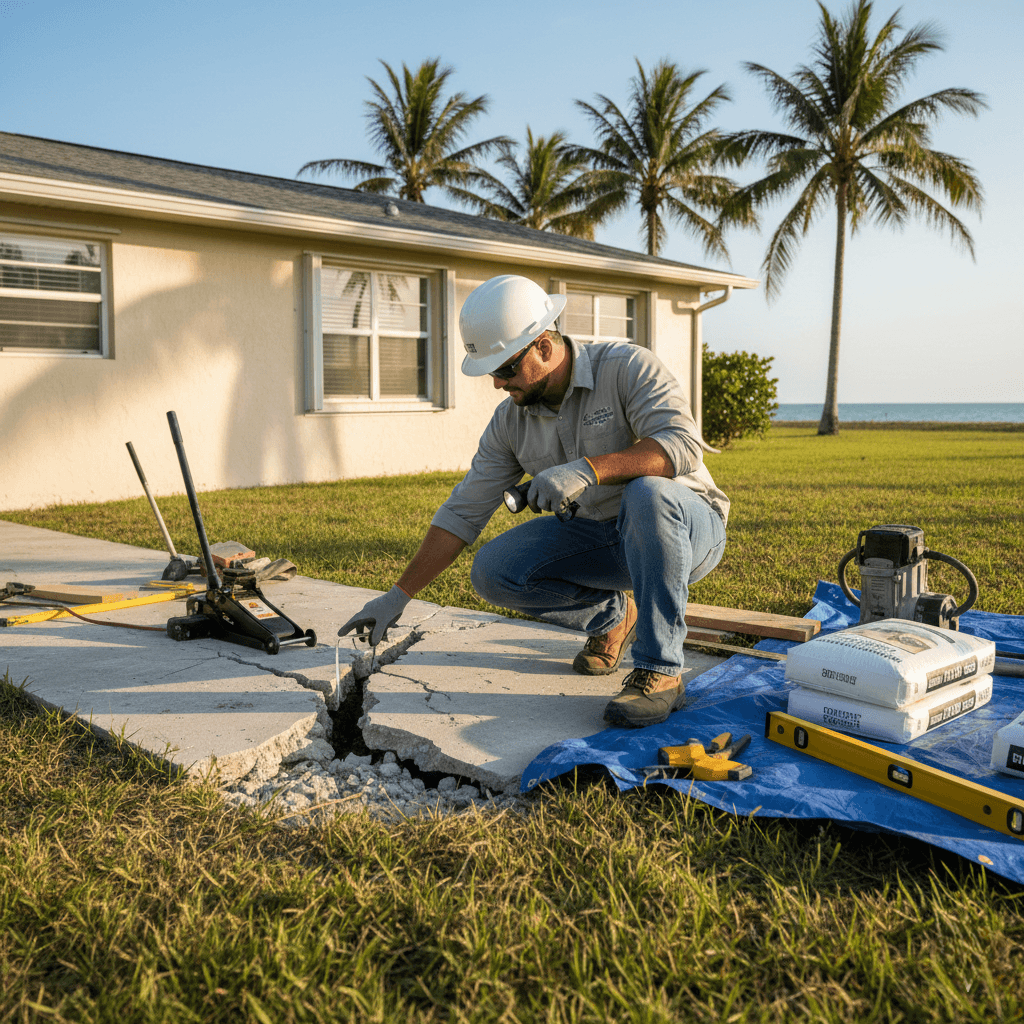
Even with the best prep and materials, concrete patios will develop minor cracks over time. Fixing these issues promptly will prevent them from getting worse and compromising the patio’s stability. Small cracks can be fixed with a concrete patching compound, while larger issues may require professional help. Regular inspections will help you identify potential problems early, so you can fix them on time.
Conclusion: A Patio that Lasts
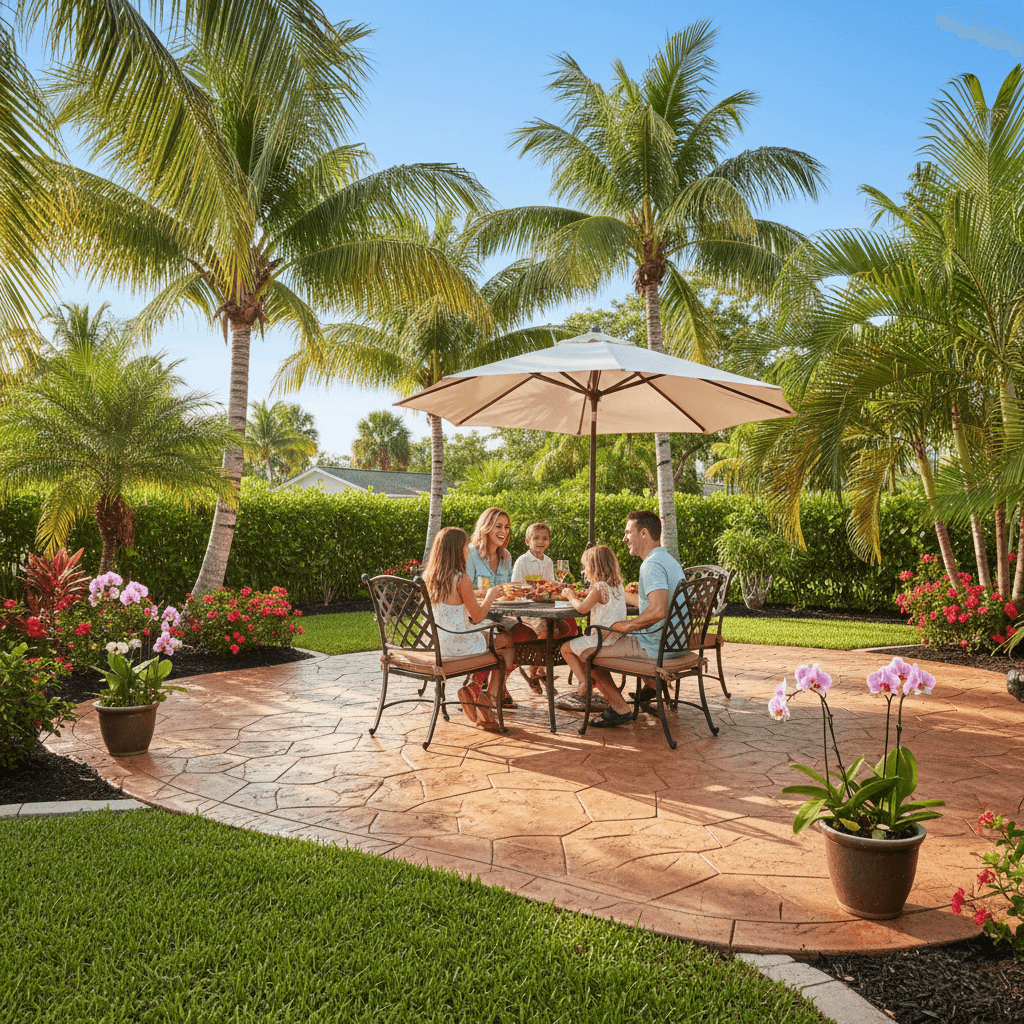
Pouring a concrete patio near waterways or in low-lying areas of Fort Lauderdale requires careful planning and attention to detail. By evaluating the site, choosing the right materials, drainage, and adhering to local regulations, you can have a durable and beautiful outdoor space. At Fort Lauderdale Concrete Solutions, we bring local knowledge and expertise to every project to help you have a patio that will withstand time and weather.
LATEST POSTS